Fakedownload
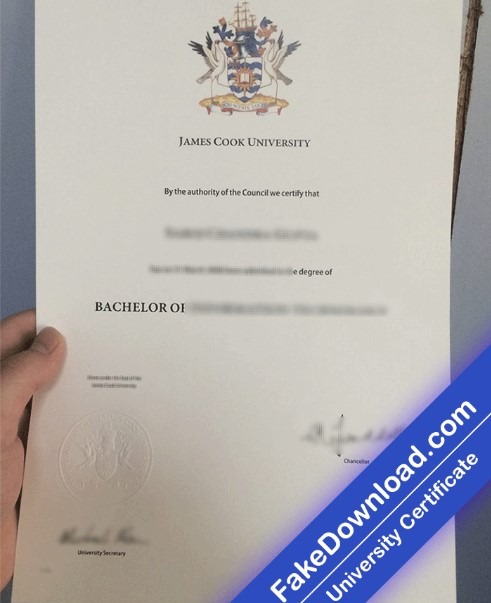
Fake documents — the Achilles' heel of financial institutions — are rising.
Do you download files of identification documents such as fake national card, fake passport, fake driver's license, fake diploma and... You can download more than 24,000 high-quality and editable documents by using the products of Fake Download Store. Fake documents can be purchased in this store by cryptocurrency and you can instantly and automatically buy the fake templates available in this store. The fake documents that are presented in this store are all presented in an open layer and with high quality
Digital transformation made many application processes easier and faster. That’s great for applicants and underwriters, but also for criminals who are looking to defraud banks and creditors.
Identifying fake documentation can be a challenge as digital applications pile up and create endless backlogs. Not only does this bog down productivity, it also makes detecting fraudulent documents more difficult.
According to a report from TrustID, fake IDs grew by 6% in 2020. See the chart below for a breakdown of the types of identification being falsified.
All of these potentially fake identity documents just adds another headache to the ever-increasing workloads surrounding underwriting and account opening.
Thankfully, there's a way to overcome this challenge with the help of artificial intelligence. But more on that later. Let's first explore fake documentation and how to detect it.
What is the difference between forged and fake documents?
A fake document is an identity document that wasn't officially produced or recognized. Fake documents can come in different forms, depending on the use case. For example, a fraudster may illegally produce an entirely fake driver's license or Social Security card to use during a loan application process.
Sometimes, it's easy to spot pseudo documents (completely fake document with made-up names and details) when they're missing seals, numbers, or other identifiers. Other times, it's not so simple, especially if the fraudster is skilled.
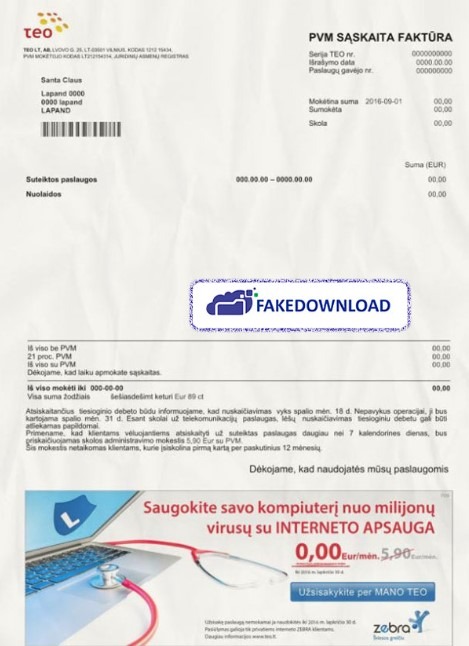
Forged documents, on the other hand, are authentic but have alterations. For instance, someone alters a photo or changes the name or birthdate printed on an ID. They can even make an entire document look like a different government agency issued it.
There are three types of forgery: freehand simulation, tracing, and electronic manipulation. Here's an overview of each:
Freehand simulation: When a fraudster attempts to copy a signature, handwriting, or design using copies of the original documents.
Tracing: Reproducing handwritten text, signatures, and designs using transmitted light or carbon tracing, where the fraudster places a blank sheet over the original and traces text and design elements.
There are several ways to determine whether a document is genuine or fraudulent. The first step is to understand the purpose of the document. Is it being used as proof of identity? If so, you should absolutely verify the document’s validity before accepting.
In the finance industry, commonly fake download identity documents include bank statements, paychecks, IDs, Social Security cards, and insurance policies. The typical documents required to apply for loans, credit cards, mortgages, car loans, and insurance.
Finding alterations in these documents is crucial to determining their authenticity. It used to be possible to detect with the naked eye using high-powered magnification. Not so much today, thanks to technological advancements.
You can also compare documents to official databases to find inconsistencies. For instance, if a lot of your customers use Wells Fargo, Capital One, and other known banks, you can verify the authenticity by looking at their statements.
Unfortunately, this isn't always enough to detect a counterfeit document. Photo editing tools allow criminals to manipulate photos and graphics quickly. So if you're relying solely on visual inspection, it'll be challenging to catch.
Fortunately, tools are available to assist you. Inscribe is an AI-powered fraud detection and automation platform that identifies inconsistencies in data, fonts, and format, as well as alterations like text boxes placed over documents.
AI-powered fraud detection is more than a second pair of eyes—it's automated night vision goggles verifying the authenticity of documents.
People use fake template for many reasons. Someone who wants to buy a home, but works under the table, won’t have tax returns or pay stubs to prove their income level. So they may create pseudo documents to trick a loan officer into granting them a loan.
Outside of the financial industry, you'll find folks using fake passports to gain entry into different countries. And most recently, you'll see people showing fake vaccination cards to gain access into their jobs or sports arenas.
Some knowingly risk their freedom and financial well-being to commit loan and credit card fraud. It's a federal crime that can land them behind bars and/or with a hefty fine. This is true for both the creator of the pseudo document and those using it.


Comments
Post a Comment